Peptide-Based Nanotherapeutics: Pharmacological Applications and Pharmaceutical Challenges
DOI:
https://doi.org/10.64474/3107-6386.Vol2.Issue1.5Keywords:
- Peptide therapeutics; Nanocarriers; Controlled drug delivery; Biomedical nanotechnology; Pharmacokinetics; Clinical translation; Smart nanomedicine; Theranostics
Abstract
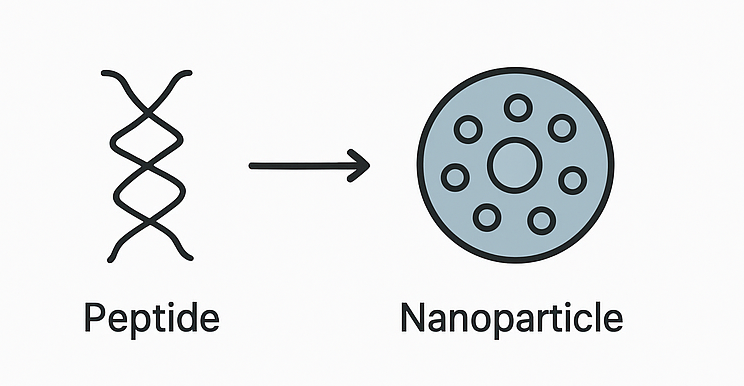
Peptide-based therapeutics have emerged as a powerful class of bioactive molecules owing to their high specificity, low toxicity, and ability to modulate complex biological pathways. However, their clinical potential is often limited by intrinsic drawbacks such as rapid enzymatic degradation, poor stability, short plasma half-life, and inefficient tissue penetration. Nanotechnology offers transformative solutions to these challenges by enabling the encapsulation, protection, and targeted delivery of peptide drugs. This review presents a comprehensive overview of the structural diversity and pharmacological relevance of peptide-based therapeutics, followed by an in-depth analysis of nanotechnology-driven strategies that enhance their efficacy. Various nanoplatforms—including polymeric nanoparticles, liposomes, solid lipid nanoparticles, hydrogels, dendrimers, and inorganic nanocarriers—are discussed with emphasis on their mechanisms for improving bioavailability, cellular uptake, and controlled release.The pharmacological applications of peptide-loaded nanocarriers span a broad spectrum, including cancer therapy, infectious diseases, metabolic disorders, neurological complications, cardiovascular diseases, and inflammatory conditions. Despite significant advancements, critical pharmaceutical barriers persist, such as peptide instability during formulation, low encapsulation efficiency, manufacturing challenges, and concerns related to toxicity, storage, and regulatory compliance. The review also highlights key clinical translation efforts, emerging regulatory frameworks, and the need for robust pharmacokinetic and biodistribution data. Finally, future directions such as AI-assisted peptide design, biomimetic nanoformulations, personalized nanomedicine, and peptide-based theranostic platforms are explored. Collectively, this review outlines the current landscape, existing challenges, and future opportunities in advancing peptide-based nanotherapeutics toward successful clinical implementation.