Small Molecule Therapeutics in Drug Discovery: Current Trends and Future Directions
Keywords:
- Small-molecule therapeutics; Drug discovery; Artificial intelligence; PROTACs; Covalent inhibitors
Abstract
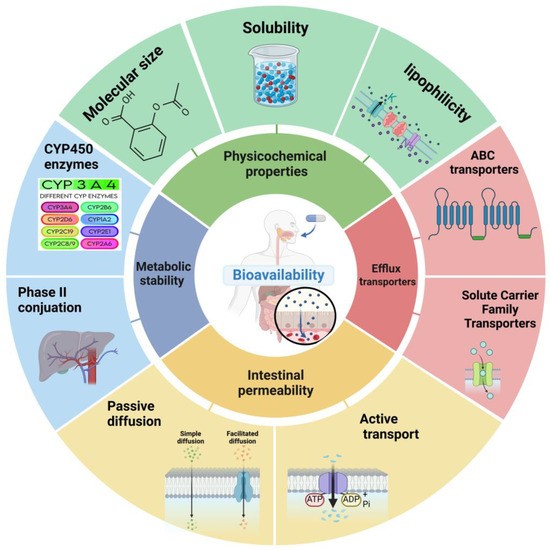
The advantages of small molecule therapeutics, such as their good pharmacological properties and wide range of therapeutic uses, make them a mainstay of the modern drug discovery process. This review highlights the latest developments in the field of artificial intelligence (AI), machine learning, targeted protein degradation (PROTACs), covalent drug design, and fragment-based drug discovery (FBDD), which are revolutionizing small molecule drug discovery and development. It illustrates the accelerating rate at which leads can be identified, the ability to expand the druggable proteome, and the potential to improve drug design with these new approaches, as well as their benefits, drawbacks, and current clinical applications. Some of the major challenges are also highlighted, such as limited clinical validation, drug resistance, bioavailability concerns and regulatory issues, as well as future research directions to make small-molecule therapeutics more efficient, precise and clinically translatable. In summary, the application of computational intelligence in conjunction with the latest advances in medicinal chemistry is projected to have a significant impact on the future of precision medicine and drug development.