Group: Lesbian, Gay, Bisexual, Transgender, Queer (LGBTQ+): Differentiation, AI Models, Biomarkers, 3D Fingerprint Morphometrics, Health Disparities, Etiological, Pathological, and Epidemiological Gender Diverse Populations and Sexual Minorities
Keywords:
- LGBTQ+, Artificial Intelligence, Health, Biomarkers, 3D ,Fingerprint Morphometrics, Health Disparities, Epidemiology, Machine Learning.
Abstract
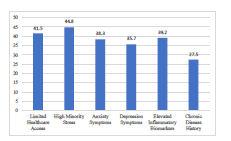
The Lesbian, Gay, Bisexual, Transgender, and Queer (LGBTQ+) population is known to be exposed to health disparities which depend on biological, psychological, social, and epidemiological variables. The present study analyzed health disparities, clinical biomarkers, three-dimensional (3D) fingerprint morphometric features, and factors affecting health in 600 individuals who defined themselves as being part of the LGBTQ+ population. The study was conducted using the quantitative cross-sectional analytical design with data collection carried out through the use of questionnaires, assessment of clinical biomarkers, 3D imaging of fingerprints, assessment of mental health using special tools and records in epidemiology. Statistical analysis was done using the following methods: descriptive statistics, Chi-square test, independent-samples t-test, one-way ANOVA, Pearson correlation, multiple regression, and machine learning algorithms of AI (artificial intelligence). Disparities in access to health care were found to be present in 41.5% of participants, whereas minority stress had the highest mean (4.29 ± 0.61). People who use preventive health services regularly demonstrated much better health status (p < .001) and there were statistically significant differences between groups of participants (p = .018). According to AI analysis, the most significant predictors of overall health were health care accessibility, inflammatory biomarkers, minority stress, and selected 3D fingerprint morphometric features (explanatory power 43.8%).